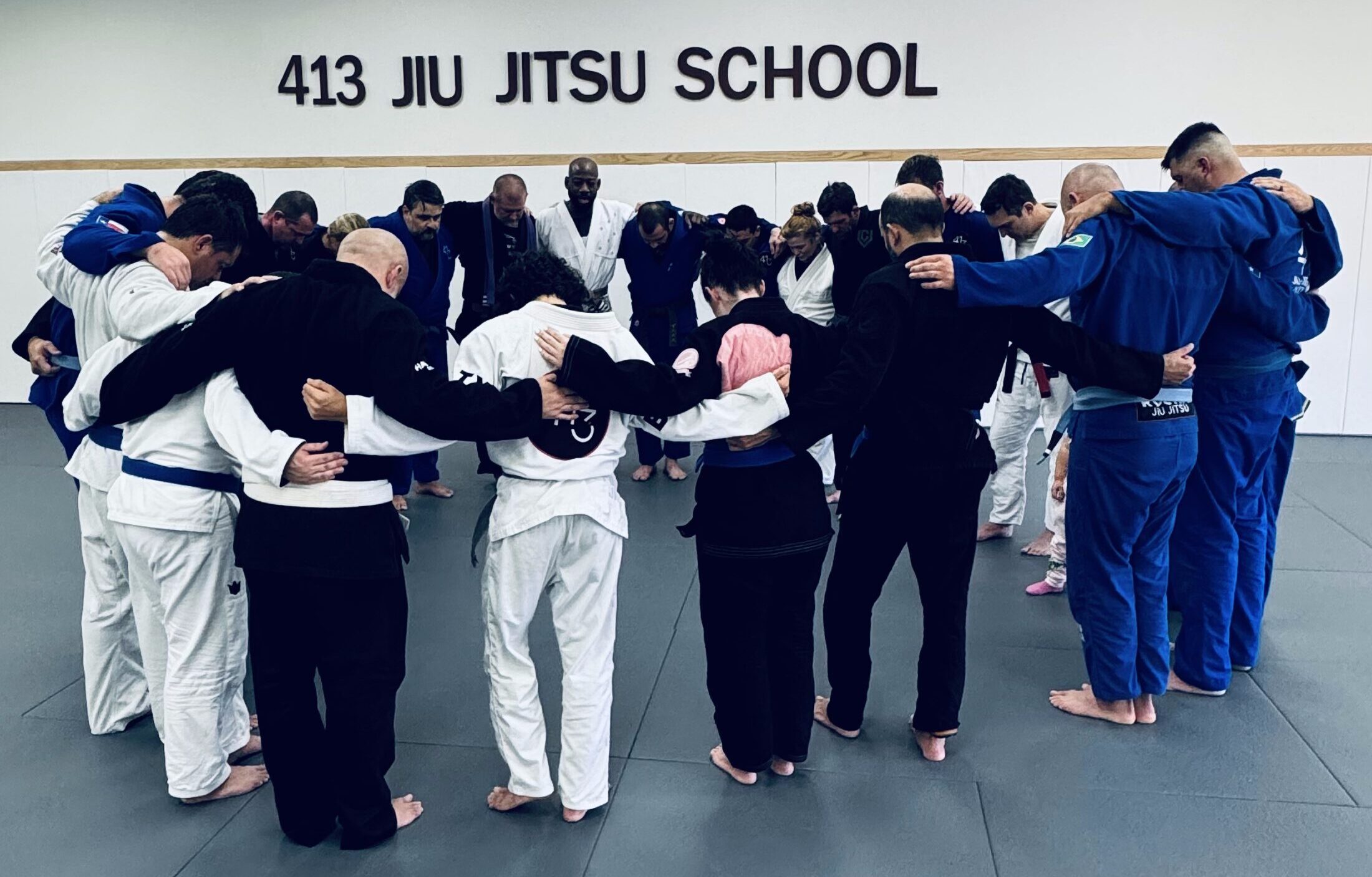
Starting Your Martial Arts Path with Clarity
Stepping onto the training surface for the very first time often feels like entering an entirely new world. Having a structured jiu-jitsu beginners guide allows new practitioners in Southlake, TX to navigate foundational concepts, basic movement patterns, and early training expectations with clarity.
Beginning Brazilian Jiu-Jitsu offers practical physical conditioning, mental discipline, and proven problem-solving habits that extend beyond physical exercise. Understanding what happens during initial sessions helps eliminate hesitation and prepares you for consistent growth under experienced guidance.
DISCOVER 413 JIU-JITSU
CLICK HEREEssential Foundations and First-Day Expectations
Understanding early class routines and primary objectives makes starting martial arts manageable and rewarding for every beginner.
Class Structure and Warm-Up Sequences
Typical martial arts sessions begin with functional joint rotations, core activation, and mobility drills. These movements prepare muscles and connective tissue for dynamic positional control while reinforcing coordination.
Coaches guide newcomers through basic shrimping, forward rolls, and technical stand-ups during warm-ups. These functional exercises build foundational movement habits that directly support real grappling exchanges.
Proper Attire and Mat Etiquette
Showing up with a clean uniform or rash guard establishes hygiene and respect across the training environment. Clean training gear, trimmed nails, and personal cleanliness protect both you and your partners.
Stepping onto the mat without outside shoes preserves a clean training space for the entire community. Active listening and respectful interaction help maintain a positive training culture.
Pacing Your Physical Energy
Novice athletes frequently make the mistake of exerting maximum muscular force during initial practice rounds. Relying purely on physical strength leads to rapid fatigue, erratic movement, and reduced awareness.
Focusing on steady nasal breathing keeps the mind calm and conserves physical stamina. Learning to regulate output allows practitioners to absorb core instructions without burning out.
The Critical Role of Tapping Early
Submission defense always begins with mutual trust and personal safety on the training mats. Tapping your partner or saying the word aloud signals an immediate reset before joint pressure increases.
Treating the tap as an informative learning opportunity removes ego from technical drills. Submissions simply confirm where position control failed, offering clear insights for future adjustments.
Primary Positions in this Jiu-Jitsu Beginners Guide
Navigating ground grappling requires understanding the hierarchy of positions that dictate safety, control, and leverage.
Understanding the Guard Position
The guard represents a defining defensive and offensive position where a bottom practitioner uses legs to control distance. Effective guard work neutralizes incoming pressure and opens opportunities for reversals.
Building comfort off your back is central to understanding practical self-defense skills against larger adversaries. Controlling an opponent with your legs prevents strikes and sets up strategic sweeps.
Side Control Survival and Framing
Being pinned underneath side control can feel heavy and restrictive for unfamiliar students. Establishing firm skeletal frames with forearms prevents the top partner from flattening your upper torso.
Creating small hip escapes allows your knees to reclaim defensive space beneath the partner. Consistent technical framing ensures you survive heavy top pressure without exhausting your arms.
Mount and Back Control Principles
Mount and back control represent dominant attacking platforms in traditional positional hierarchy. The top student utilizes hip weight and posture to restrict movement while working toward clean submissions.
Escaping these dominant pins demands methodical hip movement, trapped limbs, and patient framing. Rushing your escapes without proper leverage generally leads to tighter defensive traps.
Developing a Sustainable Long-Term Practice
Longevity on the training surface depends upon healthy recovery, balanced expectations, and structured technical goals.
Managing Muscle Soreness and Recovery
Grappling engages stabilizer muscles that rarely experience isolated strain during conventional gym workouts. Beginners often encounter moderate muscular soreness as their bodies adapt to ground resistance.
Prioritizing adequate hydration, balanced nutrition, and quality sleep accelerates physical restoration between classes. Giving muscles sufficient recovery time prevents chronic overtraining and keeps motivation high.
Embracing Continuous Incremental Progress
Mastery in martial arts develops through small adjustments repeated over months of consistent attendance. Measuring personal success by daily mechanical improvements produces far greater confidence than tracking gym victories.
Understanding every rank within the structured belt progression system keeps goals clear and achievable. Small weekly breakthroughs accumulate into substantial technical mastery over time.
Developing Healthy Team Partnerships
Progressive skill acquisition requires reliable teammates who value mutual safety during live sparring. Communicating your experience level before drilling establishes mutual trust and controlled intensity.
Practicing control over excessive speed helps partners experiment with new defenses safely. A supportive training community accelerates individual skill far faster than isolated training.
Technical Guidance from Experienced Instructors
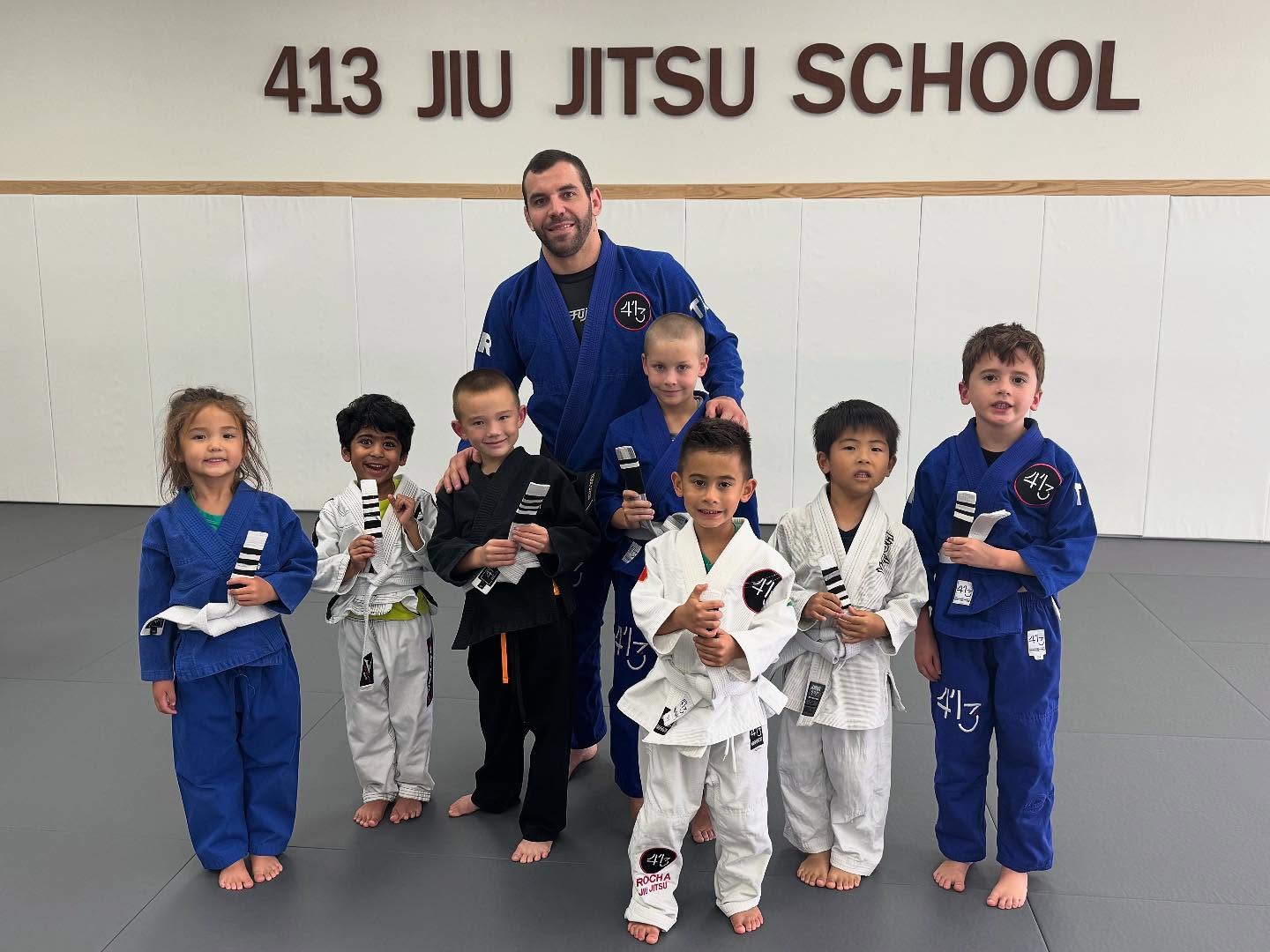
Navigating the early phases of ground fighting requires patient instruction from certified coaches who emphasize technical precision over athletic brute force. Quality academies maintain an open environment where beginners ask questions freely, refine body mechanics, and train without fear of injury.
At 413 Jiu-Jitsu, our coaching philosophy prioritizes student development, personal safety, and progressive technical refinement. Daily instruction breaks down complex positional problems into clear steps suitable for athletes of all fitness backgrounds.
Consolidating Core Mat Habits
Developing consistency during your initial months requires steady habits on and off the mat. Keeping a brief technical notebook helps reinforce specific escapes, guard positions, and posture details introduced during class.
Applying the steps outlined in this comprehensive jiu-jitsu beginners guide builds lasting physical resilience and sharp problem-solving skills. Staying dedicated through early obstacles lays the foundation for lifelong martial arts proficiency.
DISCOVER 413 JIU-JITSU
CLICK HEREYour Martial Arts Path Starts Today
Adopting the principles in this jiu-jitsu beginners guide provides the structure needed to train safely and confidently. Every practitioner starts with simple curiosity before building functional confidence through patient practice.
We welcome individuals and families throughout Southlake and neighboring areas to experience the transformative benefits of our supportive training community. Step onto the mats today to begin developing lifelong martial arts skills.